Mad About Technology — Honest Gadget Reviews & Hands-On Tests
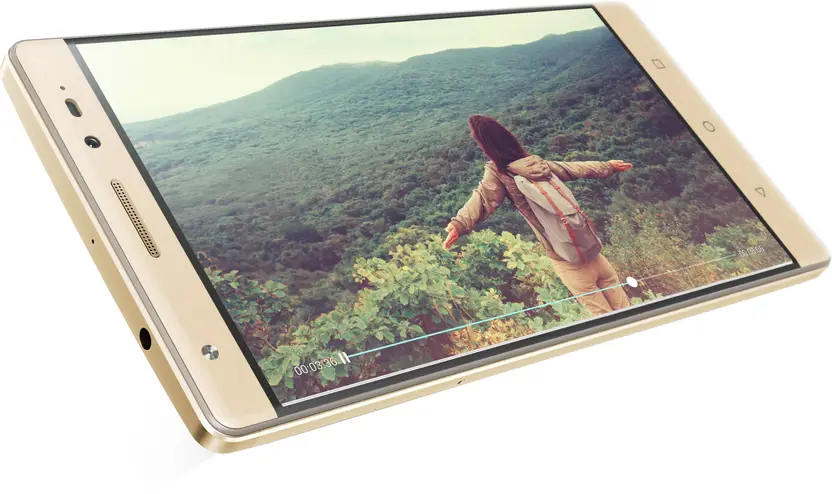
When testing a new smartphone, the real-world experience often differs from the spec sheet. A device with a large display and a capable processor may look impressive on paper, but battery life, camera performance in low light, and software smoothness determine daily usability. Budget-friendly models from brands like Xiaomi, Samsung, and Realme continue to push boundaries, offering features once reserved for flagships. However, compromises in build quality or bloatware can diminish the experience. Thorough hands-on testing helps separate marketing hype from genuine value, ensuring readers know exactly what to expect before making a purchase decision.
Smartwatches have evolved far beyond simple notification mirrors. Modern wearables now include accurate heart rate monitoring, sleep tracking, SpO2 sensors, and built-in GPS for fitness enthusiasts. Battery life remains a key differentiator, with some devices lasting a full week while others require daily charging. The integration with both Android and iOS ecosystems varies, affecting how seamlessly notifications, calls, and app data sync. A well-designed smartwatch should feel comfortable for all-day wear and offer a display that remains readable outdoors. Choosing the right one depends on balancing features, battery longevity, and ecosystem compatibility.
Wireless earbuds and headphones have become essential companions for commuters, fitness routines, and remote work. Sound quality, noise cancellation, and comfort are the primary factors that separate great audio gear from mediocre options. Active noise cancellation technology has improved significantly, making it possible to block out ambient noise even in budget-friendly models. Battery life with charging cases now routinely exceeds twenty hours, addressing earlier concerns about longevity. Touch controls, water resistance ratings, and multipoint connectivity are additional features worth considering. Real-world testing in varied environments reveals how these devices truly perform beyond the marketing claims.
Smart home gadgets like air purifiers and smart displays are gaining traction among users seeking convenience and healthier living spaces. An air purifier with a true HEPA filter can make a noticeable difference in indoor air quality, especially in urban areas with high pollution levels. Voice assistants integrated into smart speakers and displays allow hands-free control of connected devices, from lights to thermostats. Setup processes have become more streamlined, though compatibility across different ecosystems remains a consideration. Regular firmware updates and reliable app support are crucial for long-term satisfaction. Testing these devices in real homes reveals their practical benefits and limitations.
Camera technology in smartphones continues to advance, with multi-lens setups becoming standard even in mid-range devices. The competition between pixel count, sensor size, and software processing creates varied results across different lighting conditions. Portrait mode, night mode, and ultra-wide angles are now common features, but implementation quality varies widely. Some devices excel in daylight but struggle in low light, while others use computational photography to produce impressive results in challenging scenarios. Understanding these trade-offs helps users choose a phone that matches their photography habits. Practical testing with sample shots across multiple scenarios provides the most reliable guidance.
Gadget Reviews
Smartwatches, headphones, speakers, and apps — tested and reviewed for real-world use.